
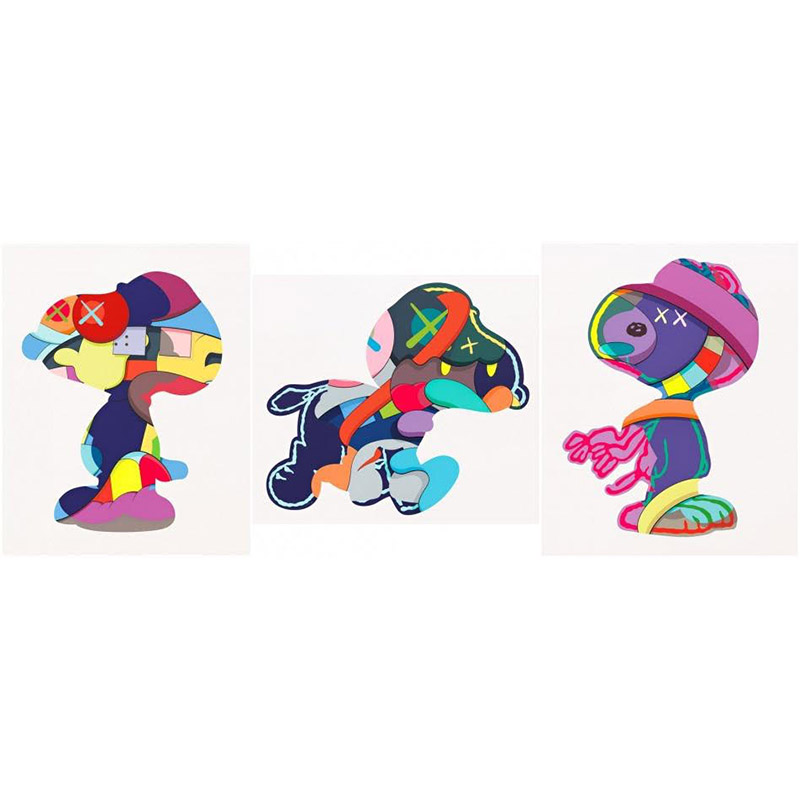
If you are trying to determine exactly what KAWS artwork you own, the first step is to document the work as completely as possible. KAWS has produced paintings, prints, sculptures, limited editions, Companion figures and other collectible works, and each category has different identifying characteristics.
Important details can include the exact title or series, dimensions, materials, edition size, colorway, signature, base markings, packaging, provenance and purchase documentation.
No single feature—such as a logo, signature, edition number or box—should be relied upon by itself.
Identify the Type of KAWS Work
Start by determining what category the artwork belongs to.
KAWS works commonly include:
- Paintings and unique works
- Signed screenprints
- Complete print portfolios
- Limited sculptures
- Companion figures
- Chum, BFF and Accomplice editions
- Vinyl and collectible figures
- Other documented limited editions
Correct classification is important because a fine-art sculpture, signed print and commercially issued collectible can occupy very different markets.
Check the Edition Number and Markings
For editioned KAWS works, look for:
- Edition number
- Edition size
- Artist’s Proof designation
- Signature
- Copyright information
- Manufacturer markings
- Base inscriptions
- Production labels
Edition size can help identify the exact version of a work and may also affect rarity and market demand.
For figures and sculptures, base markings should be compared with documented examples from the same edition rather than evaluated in isolation.
Check the Colorway
Many KAWS sculptures and collectible editions were produced in multiple colorways.
The exact color version should correspond with a documented edition. Even works with the same title and dimensions can trade differently depending on colorway, rarity and current collector demand.
When researching a KAWS sculpture or figure, photograph the entire work in good lighting so the color, finish and details can be compared accurately.
Check the Signature
Many KAWS fine-art prints are hand-signed and numbered.
For prints, compare:
- Signature placement
- Edition number
- Paper
- Sheet dimensions
- Image dimensions
- Printing technique
- Provenance
A signature alone does not establish authenticity. The rest of the work should correspond with the documented edition.
Unsigned KAWS sculptures and collectible figures should instead be evaluated through their materials, dimensions, markings, packaging, provenance and production details.
Inspect the Materials and Construction
For KAWS sculptures and figures, materials and manufacturing quality can help distinguish one edition from another.
Important details may include:
- Vinyl, resin, wood or other material
- Surface finish
- Paint application
- Seam lines
- Weight
- Proportions
- Base construction
- Moving or removable components
Counterfeit KAWS figures are common in the secondary market, and current specialist guides point to differences in surface finish, paint application, seams, proportions and manufacturing quality as useful warning signs.
Check the Original Packaging
Original packaging can be particularly useful when researching KAWS sculptures, figures and collectible editions.
Look for:
- Original box
- Inserts
- Bags or wrapping
- Labels
- Barcodes
- Copyright markings
- Manufacturer information
- Retailer stickers
- Certificates or accompanying paperwork
Packaging should correspond with the exact edition and colorway.
Original packaging can also affect resale value because collectors often place greater value on complete examples with boxes, inserts and documentation. Current KAWS market guides specifically emphasize packaging and paperwork when evaluating collectible editions.
Research Provenance and Purchase History
Provenance is the documented ownership history of an artwork.
Useful KAWS provenance may include:
- Gallery invoices
- Auction records
- Retailer receipts
- Purchase confirmations
- Certificates
- Previous owner information
- Original packaging
- Email confirmations
- Shipping or transaction records
Documented provenance can reduce uncertainty and help establish the history and marketability of the work.
KAWS Prints and Portfolios
For KAWS prints, important identifying details include:
- Exact image
- Portfolio or series
- Edition size
- Edition number
- Artist’s Proof designation
- Signature
- Paper
- Dimensions
- Condition
- Provenance
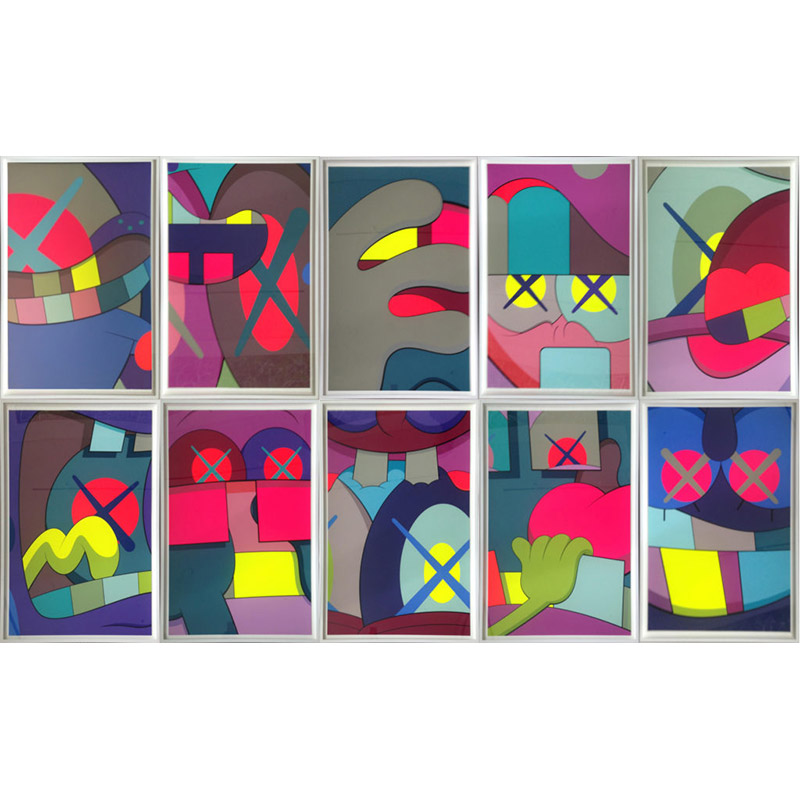
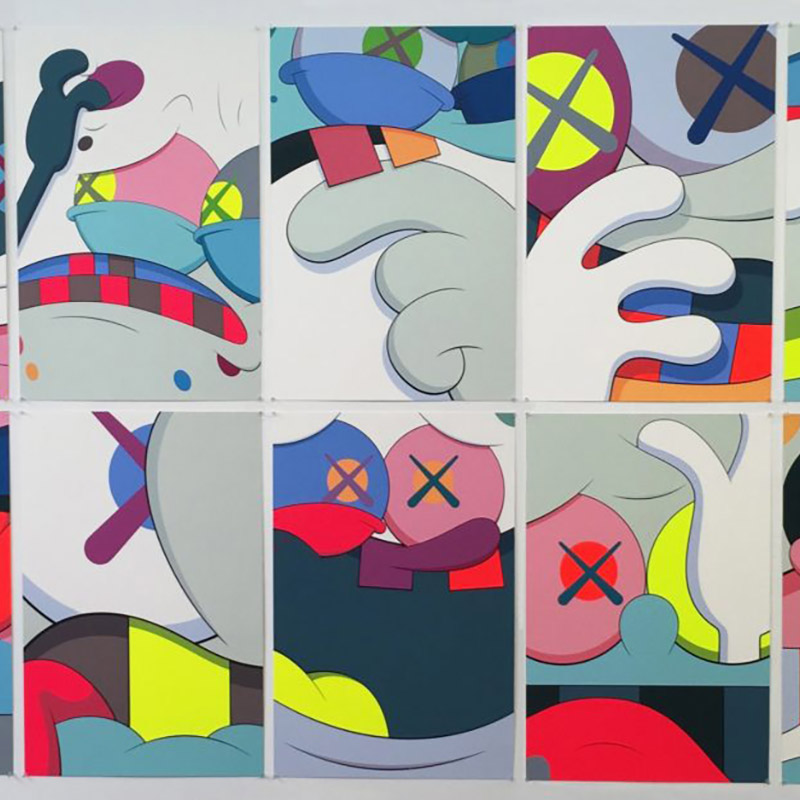
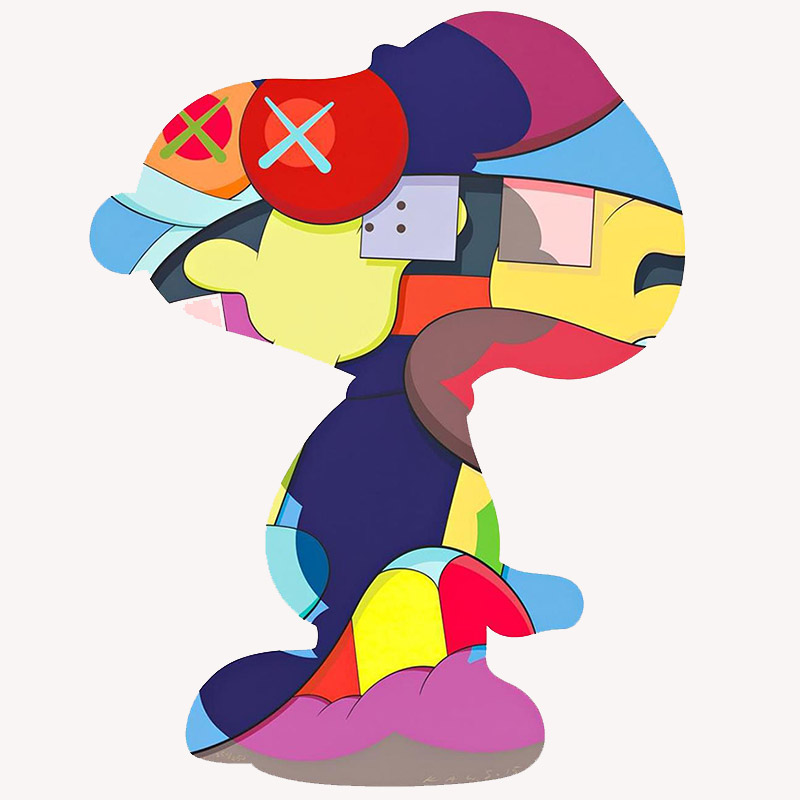
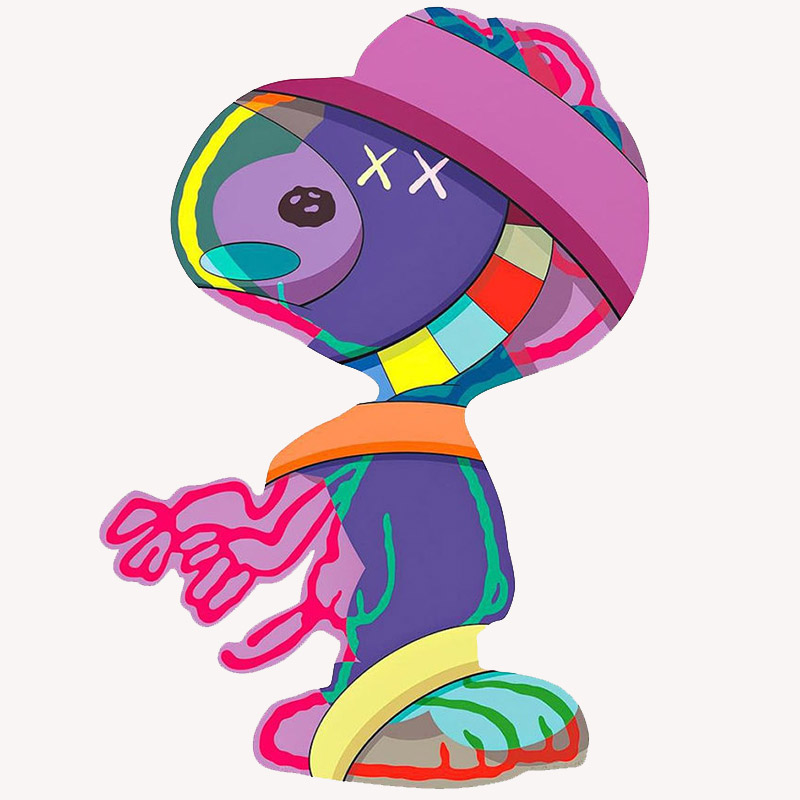
Well-known KAWS print sets include Blame Game, No Reply and Ups and Downs. Complete portfolios can have different market dynamics from individual prints removed from the same set. Current seller guides specifically identify these portfolios as important KAWS print groups.
KAWS Figures and Sculptures
For Companion, Chum, BFF, Accomplice and other figures, document:
- Exact character
- Dimensions
- Material
- Colorway
- Base markings
- Edition information
- Packaging
- Condition
- Purchase source
- Provenance
The KAWS figure market has a substantial counterfeit problem, so the complete object and its history should be reviewed together rather than relying on a single marking or packaging detail.
Does Condition Matter When Identifying a KAWS?
Yes. Condition can help determine whether markings, packaging and components remain original and can also materially affect resale value.
For prints, look for:
- Fading
- Creasing
- Staining
- Handling marks
- Trimming
- Paper distortion
For figures and sculptures, look for:
- Scratches
- Surface wear
- Paint loss
- Discoloration
- Repairs
- Missing parts
- Damaged packaging
Do not attempt aggressive cleaning or restoration before having a potentially valuable KAWS evaluated.
What Should I Send to Research My KAWS?
If you are unsure what you own, send:
- Clear photographs of the artwork
- Multiple views for sculptures and figures
- Close-ups of base markings
- Signature and edition number
- Dimensions
- Colorway
- Original packaging
- Labels and inserts
- Gallery, retailer or auction documentation
- Purchase receipts
- Any known provenance
- Any known condition issues
Photographs and basic ownership information are often enough for us to begin identifying the work and determining the next appropriate step.
Frequently Asked Questions About Identifying KAWS Art
How can I tell if my KAWS figure is authentic?
Start by comparing the exact edition, dimensions, material, colorway, base markings, construction and packaging with documented examples. Provenance and purchase records are also important. No single feature should be treated as definitive.
Is the original box important for KAWS?
Yes, particularly for collectible sculptures and figures. Original boxes, inserts, labels and purchase documentation can help establish completeness and provenance and may also influence resale value.
Are all KAWS prints signed?
Many KAWS fine-art prints are hand-signed and numbered, but identification should still include the exact image, edition, paper, dimensions and provenance rather than relying on the signature alone.
Can you identify a KAWS from photographs?
In many cases, clear photographs provide enough information to begin preliminary research. For sculptures and figures, include the full work, base markings, packaging and labels. For prints, include the front, reverse, signature, edition number and dimensions.
Have a KAWS You Want Identified or Valued?
If you own a KAWS painting, print, sculpture, Companion, limited edition or other artwork, we can help research the specific work, review available documentation and evaluate its current market.
If the artwork is a work we are actively seeking, we may also make a confidential direct purchase offer.